• Skip to main content
Logo_w_Tagline_RK_Mortar
  • Home
  • About Us
  • Product
  • Contact Us
  • Home
  • About Us
  • Product
  • Contact Us
  • ID
  • EN
Calculator

Uncategorized

Red Brick vs. AAC Block: A Comparison

May 3, 2023 by Admin Crea RK Mortar Leave a Comment

Before building, compare the advantages of red brick and AAC block. Price calculations depend on the construction area (rough estimates).

  • Type 36 — 2 bedrooms, 1 bathroom.
  • Type 45 — 2 bedrooms, 1 bathroom.
  • Type 72 — 3 bedrooms, 1 bathroom.

AAC block and RK Mortar are your best partners in building your dream home.
Filed Under: Uncategorized

Types of Heavy Equipment Used in Construction

October 13, 2021 by Admin Crea RK Mortar Leave a Comment

Building public infrastructure or large-scale structures naturally requires a range of heavy construction equipment. Here are some of the most commonly used pieces of heavy equipment:

  1. Dozer — fitted with a blade at the front to push or cut material. Blade types: straight, cushion, angle.
  2. Tower Crane — large and tall, for lifting, transporting, shifting, and holding loads. Crawler cranes are used for higher mobility.
  3. Bar Bender & Bar Cutter — bends rebar (up to 32 mm diameter) and cuts reinforcement steel, manually or electrically.
  4. Excavator — used for dredging rivers, demolishing buildings, leveling ground, installing foundation piles. Consists of bucket, cabin, tracks, arm, boom.
  5. Concrete Vibrator — produces vibrations so poured concrete sets denser, more durable, and higher quality.
  6. Compactor — compacts and densifies soil after excavation, often fitted with a three-wheel roller.
  7. Asphalt Finisher — 2 variants (crawler & rubber-tired), lays asphalt mixture faster, flatter, and smoother.
  8. Pneumatic Tired Roller — rubber-tired rollers, well suited for compacting granular material or hot-mix layers.
  9. Motor Grader — a tractor for leveling ground surfaces, pushing soil, leveling embankments, backfilling excavations.
  10. Dump Truck — large truck for transporting gravel/sand/soil, hydraulically operated so loads can be released as needed.

Small-scale construction doesn’t need much heavy equipment. But for large-scale projects, this equipment is essential so costs don’t balloon and targets stay achievable.

Filed Under: Uncategorized

How to Install Ceramic Floor Tiles

October 11, 2021 by Admin Crea RK Mortar Leave a Comment

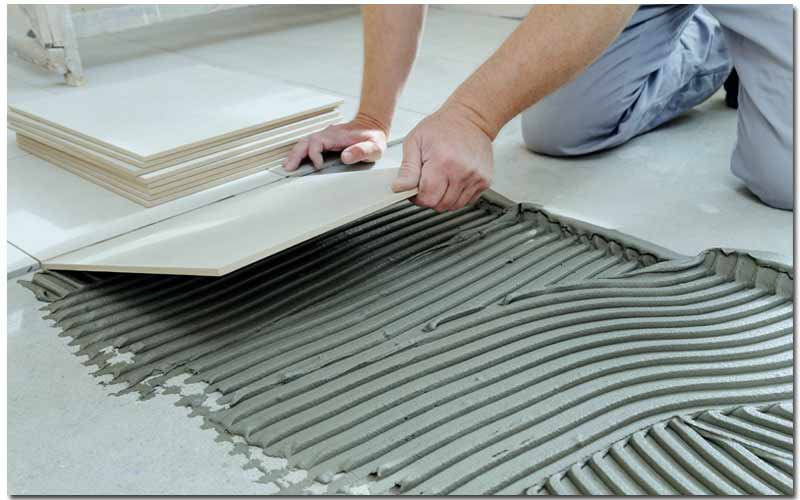
Here are some tips on installing ceramic floor tiles, for anyone taking on a tiling project. These tips apply whether you’re installing standard wall tiles, diagonal tile patterns, or tiling over existing tiles.

Easy steps for installing ceramic floor tiles:

  1. Compact the soil (for ground-floor installations) using manual tamping or a plate compactor.
  2. Set string lines according to the measured level. After that, apply a screed / working floor layer… For a single-story house, a 5 cm thick concrete screed works well, followed by a 5 cm sand fill layer on top.
  3. Once the screed / working floor has dried (at least 3 days), re-level the surface, then run string lines to mark the height for tile installation matching the planned pattern.

Next Step: Installing the Floor Tiles

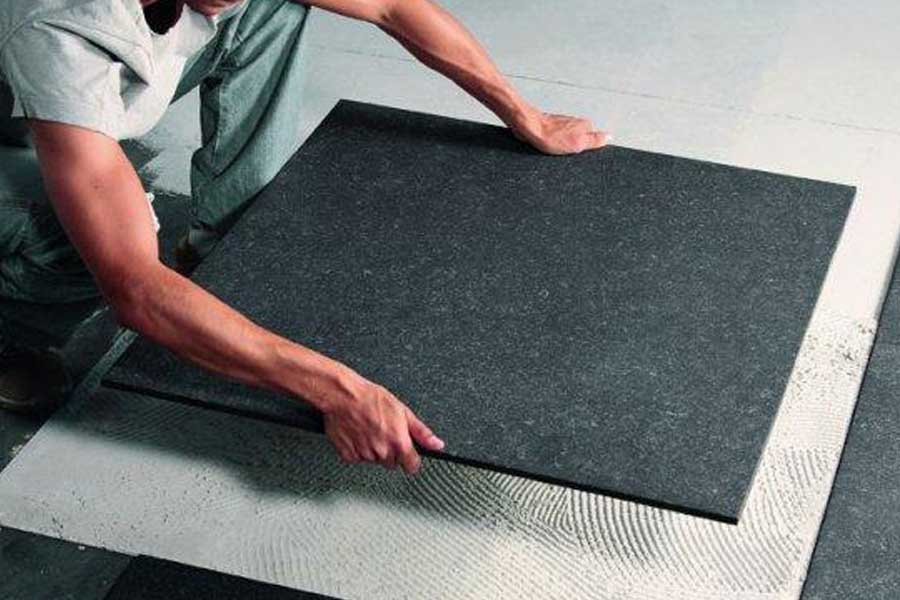
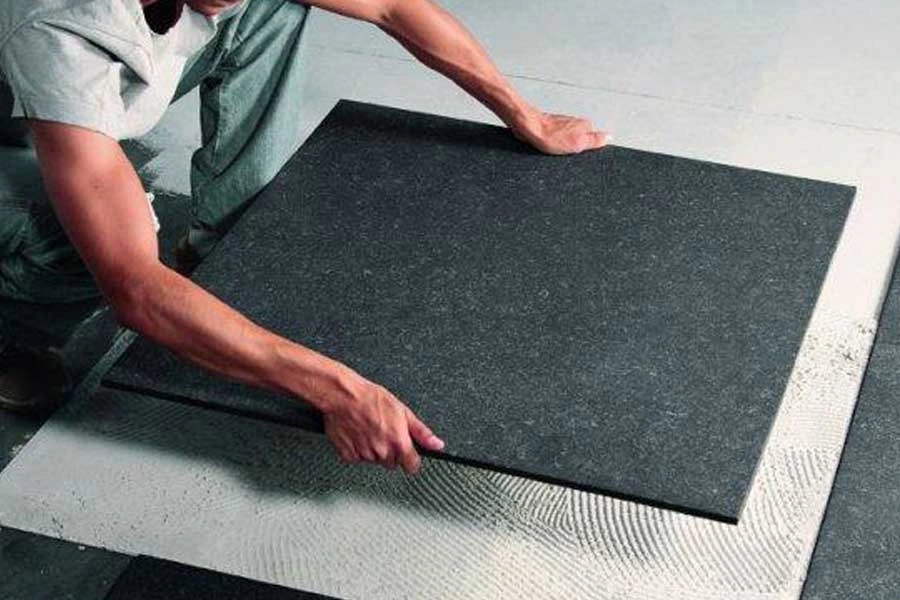
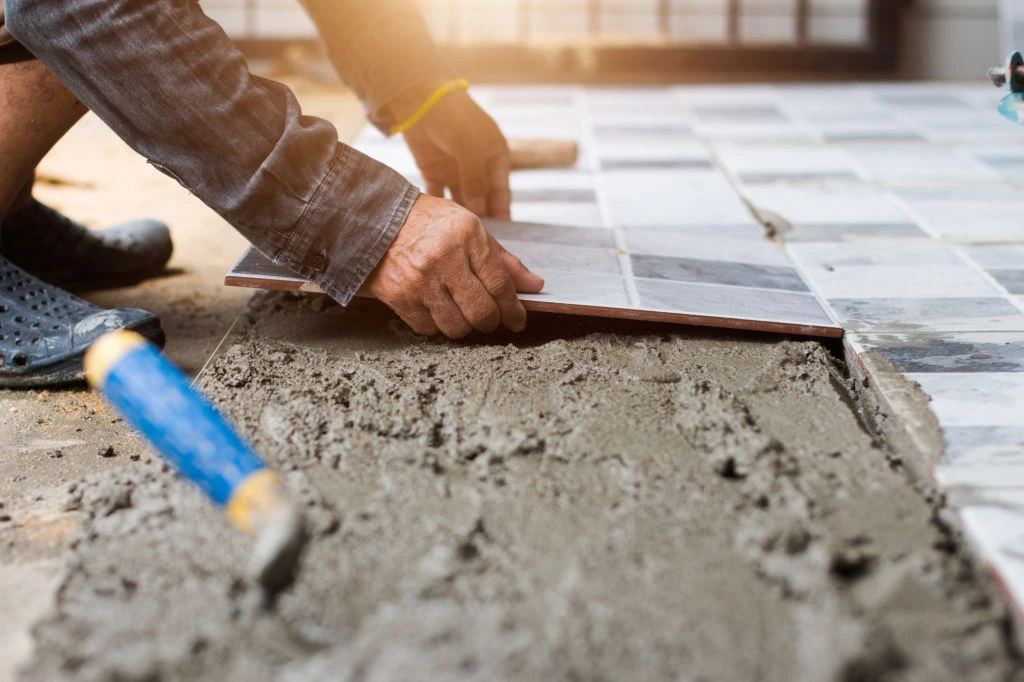
  1. Prepare the adhesive mix, making sure RK-480 instant cement (Tile Adhesive) is fully blended. Spread evenly up to the tile height.
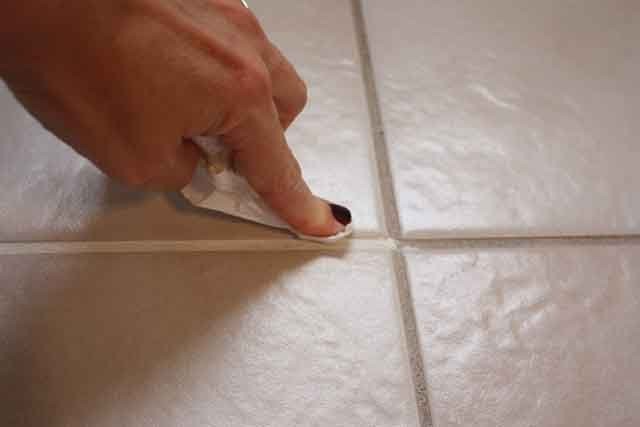
  2. Align tile corners using a wood block (preferably tapped with a rubber mallet). Once seated, wipe away excess adhesive. Wait at least 3 days before grouting.
  3. Installing floor tiles follows the same principle as wall tiles — wall tile adhesive uses only cement and water.

When installing wall tiles:

  1. Check verticality of wall tiles using a plumb line. Use a quality instant cement such as RK-480 from RK Mortar.

Filed Under: Uncategorized

6 Types of Construction Workers

October 8, 2021 by Admin Crea RK Mortar Leave a Comment

Building a house is no small undertaking. Here are 6 types of construction workers you should know, along with their typical wages.

  1. Foreman (Mandor) — oversees other workers to keep the project on schedule, and bridges the owner and tradespeople. Wage: Rp 85,000–95,000/day.
  2. Excavation Worker (Tukang Gali) — performs the first excavation for the foundation.
  3. Mason (Tukang Batu) — builds the foundation, lays bricks, pours concrete, builds roof decks. Wage: Rp 60,000–75,000/day.
  4. Rebar Worker (Tukang Besi) — handles manual and technical rebar work, checks reinforcement in concrete. Wage: Rp 50,000–75,000/day.
  5. Carpenter (Tukang Kayu) — handles roof framing, door/window frames, ceilings, floors, wood walls. Wage: Rp 50,000–75,000/day.
  6. Painter (Tukang Cat) — paints the entire house inside and out, sometimes also handling furnishing and wood staining.

These are the 6 types of construction workers worth knowing before you start.

Filed Under: Uncategorized

5 Causes of Tile Popping in Your Floors

October 1, 2021 by Admin Crea RK Mortar Leave a Comment

Have you ever heard the term “popping”? In construction, popping refers to when installed floor tiles bulge upward and burst. Yes — burst. But before that happens, the tile will first bulge and lift. Once a tile starts lifting, you’ll definitely notice. To prevent popping, we first need to understand what causes it. Let’s break down 5 causes of tile popping.


1. Voids Beneath the Tile

RK Mortar_5 Penyebab Lantai Keramik Anda Mengalami Popping_detail 1

During installation, make sure the tile bonds evenly and fully to the tile adhesive. If a void exists, the trapped air underneath can expand and push the tile up or sideways. Unevenly installed tile can also be a safety hazard and makes the tile more prone to cracking.


2. Water Seepage

RK Mortar_5 Penyebab Lantai Keramik Anda Mengalami Popping_detail 2

Water seepage can happen for two reasons: worn or deteriorated grout over time, or poor workmanship. Rushed work, or work done by an inexperienced tradesperson, can have long-lasting effects. Pay close attention during installation to avoid this issue.


3. Ground Structure

Ground movement can also affect your tile. If your home sits on shifting soil, there’s a chance your house — and its tile — could be affected. Make sure to check whether your area is prone to shifting ground or earthquakes to help prevent popping.


4. Excessive Load

RK Mortar_5 Penyebab Lantai Keramik Anda Mengalami Popping_detail 3

Prolonged excessive load can also cause popping, especially common with larger-format tiles. Larger tiles have a bigger surface area, which increases the risk of cracking under uneven, prolonged load. Pay attention to your furniture placement to help avoid this.


5. Rising Temperature

RK Mortar_5 Penyebab Lantai Keramik Anda Mengalami Popping_detail 4

This typically happens during hot weather. Rising temperatures cause tiles to expand. If there’s a void beneath the tile, the trapped air will also expand, increasing the risk of cracking. Lower-quality tile also increases the risk of popping.


KUAT & TERPERCAYA

WhatsApp: 0811-3121-188

Instagram: rkmortar

Email: admin@rkmortar.com

Filed Under: Uncategorized

5 Tips for Using Tile Adhesive Correctly

September 24, 2021 by Admin Crea RK Mortar Leave a Comment

If you remember how tiling used to be done, you probably picture mixing water, cement, and sand in certain proportions to lay tile. But did you know tile installation isn’t nearly that complicated anymore? As material technology has advanced, manufacturers have introduced new breakthroughs to simplify construction work — one of which is Tile Adhesive.

Tile adhesive is a specialized form of instant cement designed specifically to help with tile installation. That said, it shouldn’t be used carelessly. Here are a few tips to help you get the most out of your tile adhesive.


1. Consider the Type of Tile You’re Using

RK Mortar_5 Tips Penggunaan Perekat Keramik Yang Tepat_detail 1

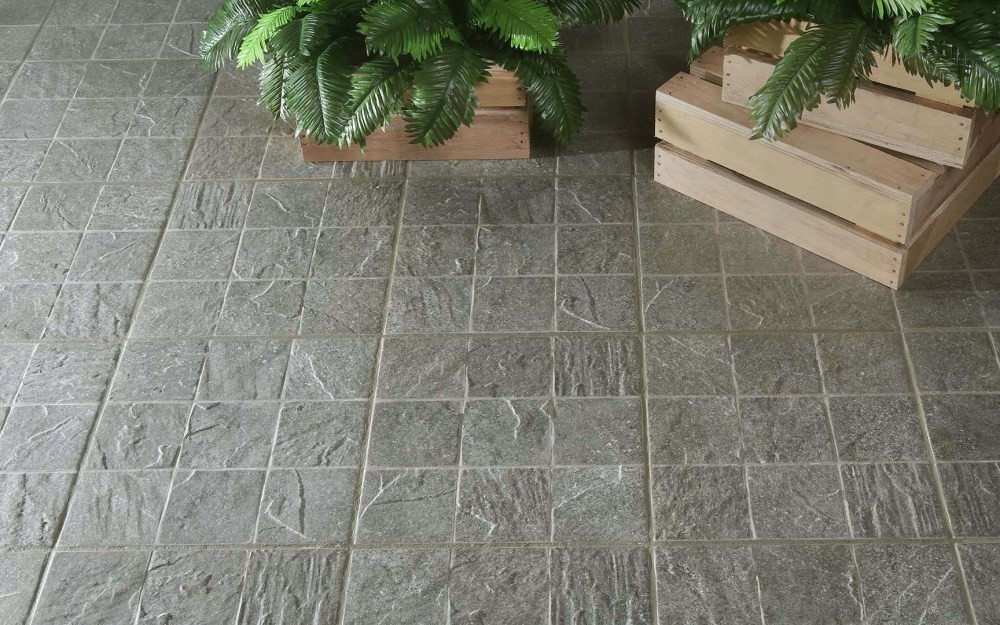
Tiles come in many types and forms. The word “ceramic” comes from the Greek keramikos, meaning fired clay. With so many shapes and styles available, ceramic tile can be used almost anywhere in the home. Each type has its own characteristics, so research the tile you plan to use and understand its properties.


2. Consider the Tile’s Function

RK Mortar_5 Tips Penggunaan Perekat Keramik Yang Tepat_detail 2

With so many options available, tile can be used in nearly every part of the house. Think about the tile’s intended purpose — is it purely decorative wall tile, or does it need to be slip-resistant flooring for a garage? You may need to add specific materials to help the tile perform its function properly and avoid unwanted issues.


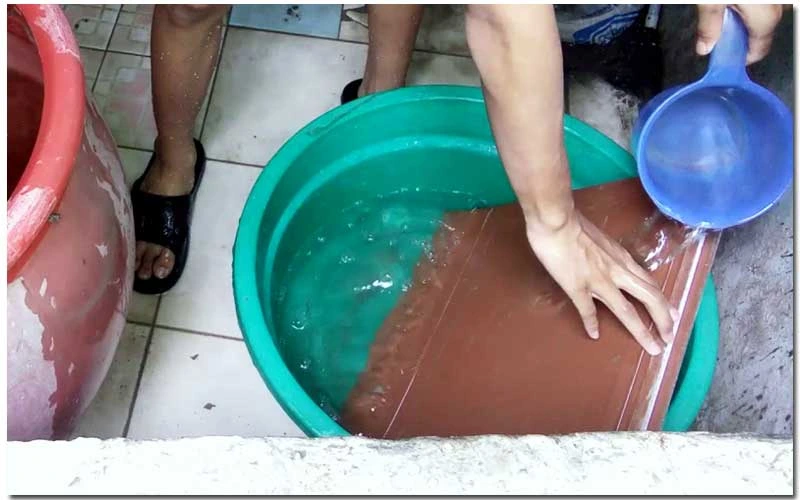
3. Soak the Tile Before Installation

RK Mortar_5 Tips Penggunaan Perekat Keramik Yang Tepat_detail 3

One helpful trick is to soak the tile before laying it. The tile’s pores absorb water, making it more pliable. This prevents the tile from becoming slippery during installation, and it also makes the tile easier to lay and less prone to cracking.


4. Determine Your Starting Point

RK Mortar_5 Tips Penggunaan Perekat Keramik Yang Tepat_detail 4

Decide on a starting point before you begin installation. Tiled areas vary in size, and without planning your starting point in advance, it becomes difficult to continue the layout — or you risk throwing off the whole pattern.


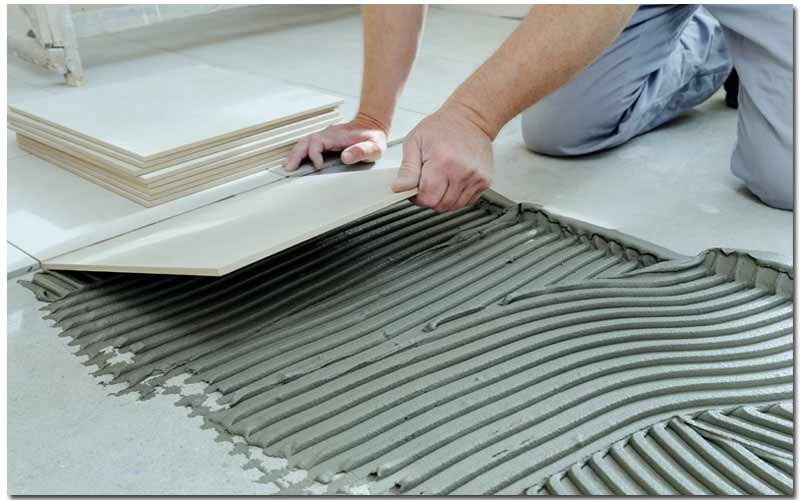
5. Create Grout Lines in the Adhesive

RK Mortar_5 Tips Penggunaan Perekat Keramik Yang Tepat_detail 5

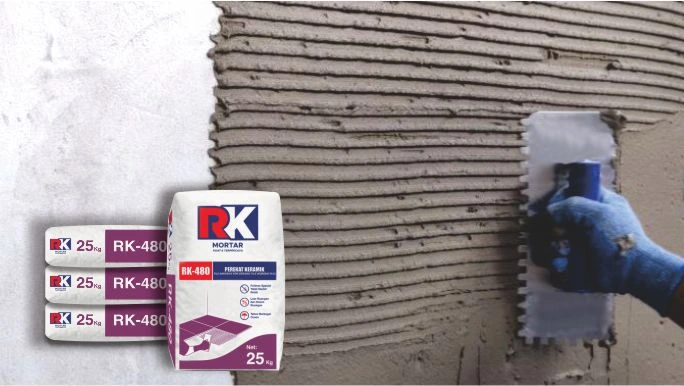
When preparing your tile adhesive, don’t forget to create grout lines in the cement before laying the tile. These grout lines help speed up bonding and drying. They’re easy to create using a trowel, available at your nearest building supply store or your preferred online marketplace.

To help you choose a quality tile adhesive, we recommend RK Mortar’s RK-480. RK-480 is one of RK Mortar’s products, formulated specifically as a tile adhesive. Made from carefully selected materials through a meticulous process, RK-480 delivers strong, fast-drying results. Its proven quality and wide use among the public reflect our promise: Strong & Trusted.

RK Mortar_5 Tips Penggunaan Perekat Keramik Yang Tepat_detail 6

KUAT & TERPERCAYA

WhatsApp: 0811-3121-188

Instagram: rkmortar

Email: admin@rkmortar.com

Filed Under: Uncategorized

  • Page 1
  • Page 2
  • Page 3
  • Page 4
  • Go to Next Page »
Icon_Whatsapp (opens in new tab)
Calculator
Logo_RK_Mortar

RK MORTAR

  • Home
  • About Us
  • Product

Cutomer Care

  • Blog
  • Calculation
  • FAQ
  • Privacy Policy

Contact us

sales@rkmortar.com

@rkmortar

(opens in new tab)

CV. Indo Mega Jaya

Graha Bukopin, Jl. Panglima Sudirman No.10-18,
Surabaya, East Java

Copyright © 2026. All Rights Reserved.