The Difference Between Skim Coating (Acian) and Plastering (Plesteran)

Want smooth, sturdy walls? Pay attention to your skim coat and plaster. But do you know the difference between the two? And how do you apply each one correctly?
“Acian” (skim coat) and “plesteran” (plaster) are familiar terms in building construction. Yet many of us don’t fully understand what each one actually means.
Plastering and skim coating are both part of wall-finishing work. They serve as protective coating layers that shield the wall from water seepage and weather, while making the wall smooth and sturdy. However, acian and plesteran differ as follows:
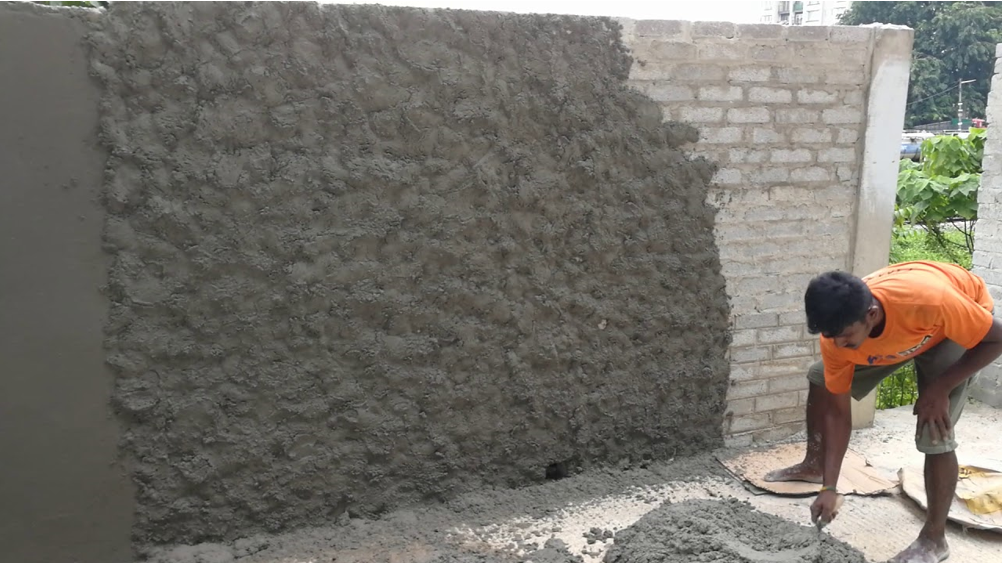
PLASTERING (Plesteran)
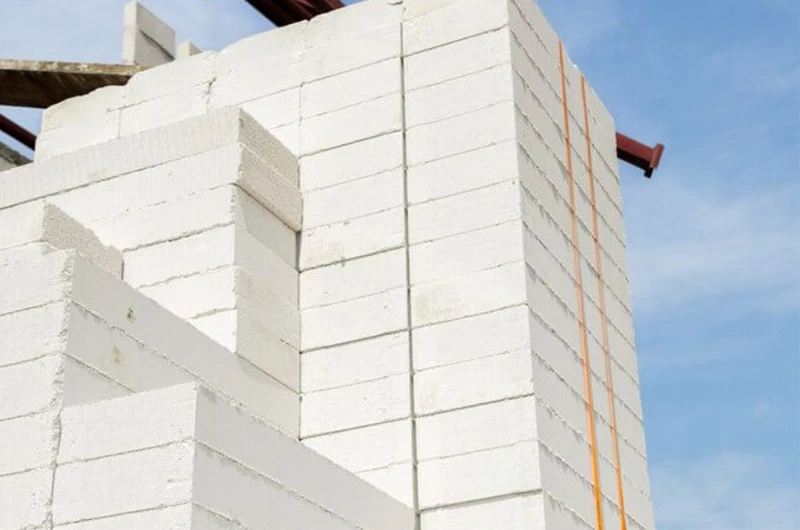
Plastering is part of the wall-finishing process, used to cover brick, concrete block, or AAC block and concrete surfaces, making them look neat, smooth, and even. Recommended plaster thickness is between 1.5 cm and 3.5 cm. Plastering gives the best results when the underlying brickwork is also laid neatly — neat brickwork can even help save on skim-coat material.

SKIM COATING (Acian)
Skim coating is part of the wall-finishing process that follows plastering, used to close surface pores and smooth out the plaster layer. The material used differs from plaster as well — skim coat uses only a mixture of cement and water, without sand. Recommended skim-coat thickness is between 1 mm and 3 mm.
To avoid cracking in the skim coat, it should only be applied once the plaster has fully dried and stopped shrinking — roughly 2–3 weeks for interior walls, and around 2 weeks for exterior walls.
Now you know the difference between skim coating and plastering — apply this knowledge, and your walls are sure to come out smooth and sturdy. Stay tuned for more informative posts from us.